

How Your GMC’s Trade-In Value is Affected by Mileage
When determining your vehicle’s trade-in value, the number on the odometer serves as a baseline indicator of mechanical wear, but it never operates in a vacuum. Whether you rely on a GMC Yukon for a daily commute down U.S. Route 50 toward Folsom or use a Sierra 1500 to haul trailers through the rolling terrain near the Apple Hill wineries, how those miles were driven matters just as much as how many there are. At Thompsons GMC, we consistently see that a well-maintained, higher-mileage truck can command a stronger appraisal than a neglected vehicle with fewer miles on the dash. Moving forward, we will break down exactly how mileage, diligent maintenance history, and overall physical condition intersect to dictate your trade-in’s true market value in Placerville.
How Does High Mileage Directly Impact Your GMC’s Value?
High mileage directly lowers your GMC’s trade-in value because elevated odometer readings signal increased wear on vital mechanical components. Every commute west toward Sacramento along U.S. Route 50 or stop-and-go trip down State Route 49 adds incremental stress to the powertrain, suspension, and brake system. What this means for Placerville drivers is that appraisers must anticipate higher reconditioning costs before putting your trade-in back on the lot. For example, because a GMC Sierra 1500 hitting the 100,000-mile mark typically requires a spark plug replacement and a 4WD transfer case fluid exchange, those impending service costs are subtracted directly from your initial offer.
Contrast that with a GMC Yukon sitting at just 30,000 miles, which generally needs little more than basic tire rotations and oil checks before resale. The daily driving grind through El Dorado Hills simply accelerates how quickly those major maintenance intervals arrive, making the vehicle more expensive to certify. If you want to see exactly how these numbers shift based on your commuting habits, valuation platforms like Edmunds provide market data showing how extra mileage incrementally shaves off a vehicle’s worth. This industry-standard practice ensures the next owner gets a reliable, Professional Grade SUV or truck without inheriting immediate repair bills.
What Is a Good Mileage Number for Your Trade-In?
A good mileage target for a trade-in generally aligns with the national average of 12,000 to 15,000 miles per year. Staying within this window categorizes your vehicle under “average” use, maximizing its baseline appraisal value. What this means for Placerville drivers is that regular 45-minute commutes into Folsom or longer trips down U.S. Route 50 won’t necessarily penalize your SUV’s worth, provided the odometer reflects standard annual driving habits.
To break down the math, a three-year-old GMC Sierra 1500 or GMC Acadia should ideally sit between 36,000 and 45,000 miles. If your odometer reads significantly under that 36k threshold, you enter “low-mileage premium” territory. Pre-owned buyers highly covet gently used trucks, allowing them to command a noticeably higher trade-in offer since they require less mechanical reconditioning before resale.
On the flip side, logging over 15,000 miles annually bumps you into the high-mileage bracket. If your routine involves constant hauling up State Route 49 to the Apple Hill wineries or frequent cross-county weekend escapes, those digits climb quickly. Hitting 60,000 miles in just three years shifts the appraisal curve downward due to accelerated wear on components like brake pads and suspension joints. Fortunately, GMC’s Professional Grade engineering ensures that even elevated-mileage models hold strong residual value. By providing a meticulous service history-especially documentation showing routine transmission fluid exchanges and tire rotations-you prove that those extra miles were handled with precision care.
Does the Type of Mileage Matter When Evaluating a GMC?

Yes, the specific type of mileage your GMC has accumulated directly impacts its appraisal and long-term condition. Dealerships do not just look at the raw number on the odometer; they analyze wear patterns to determine if a truck or SUV spent its life cruising at steady speeds or battling constant stop-and-go traffic. Highway miles are significantly gentler on powertrain and suspension systems, while city driving accelerates mechanical fatigue. For drivers around Placerville, this means how you rack up your miles is often just as important as how many you drive.
Consider a GMC Sierra 1500 used primarily for highway commutes down U.S. Route 50 toward Sacramento. At a steady 65 mph, the transmission reaches its highest gear, the torque converter locks, and the engine oil maintains an optimal operating temperature. This consistent state minimizes thermal cycling and reduces internal friction. Conversely, driving those same miles navigating the steep inclines near Gold Bug Park & Mine or sitting in stop-and-go traffic along Main Street forces the vehicle into a much harsher operational reality. Constant acceleration and deceleration force the transmission to shift thousands of times more frequently, degrading automatic transmission fluid (ATF) at a much faster rate.
Here is what an appraiser looks at to determine the physical toll of your mileage:
- Brake Pad and Rotor Depletion: City driving demands constant braking. A vehicle with 40,000 city miles often requires replacement brake pads-dropping below the 3mm minimum safety threshold-while a highway-driven GMC Yukon might still retain 50 percent of its original pad life at the exact same odometer reading.
- Powertrain and Fluid Stress: Every 10,000 miles spent crawling through town stresses transmission clutches and bands significantly more than 10,000 miles of open-road cruising. Stop-and-go cycles generate excess heat, which breaks down engine oil and differential fluids prematurely.
- Suspension Component Fatigue: Navigating uneven pavement, speed bumps, and sharp foothill turns compresses shocks and struts aggressively. Technicians inspect ball joints, control arm bushings, and tie rods for the accelerated play and wear typically caused by heavy city driving.
How Does Routine Maintenance Change the High-Mileage Equation?
Consistent upkeep directly combats the wear and tear of adding miles to your odometer. A complete service history proves your GMC has been properly managed, effectively neutralizing the stigma of a higher mileage number. What this means for Placerville drivers is that a well-documented SUV or truck commands a stronger trade-in value, even if it has spent years commuting down U.S. Route 50 to Folsom or hauling heavy gear up to the Apple Hill wineries.
Let’s look at a realistic comparison. A GMC Sierra 1500 showing 90,000 miles with a pristine record of 7,500-mile tire rotations and regular Dexos1-approved synthetic oil changes is almost always a smarter buy than a 60,000-mile truck with a mystery past. Because GMC vehicles utilize advanced 4WD systems designed for heavy towing and rugged foothill terrain, skipping major scheduled services can lead to hidden internal wear. For example, failing to replace the transfer case fluid at the 45,000-mile mark degrades the system’s ability to handle steep inclines and slick winter roads.
When evaluating a vehicle’s mechanical soundness, comprehensive service invoices eliminate the guesswork. A glovebox full of receipts for brake inspections or transmission fluid exchanges tells a buyer or appraiser that the vehicle is ready for its next chapter. Every time you log a scheduled maintenance visit after a dusty summer run out to Gold Bug Park & Mine, you are actively protecting your vehicle’s future resale value and ensuring professional-grade reliability.
Key Maintenance Strategies to Preserve Your GMC’s Value
To command top dollar during a trade-in appraisal, a documented service history is non-negotiable. Consistent upkeep proves your SUV or truck was maintained to Professional Grade standards, protecting its long-term performance and securing a higher valuation. For drivers around Placerville, what this means is that sticking to the factory schedule prevents premature wear caused by harsh summer heat and frequent mountain driving. When you hand over your keys to an appraiser at a reputable dealer-especially one with a strong BBB standing-they will immediately inspect these four critical systems.
- Engine Oil and Filter Replacements: Running factory-approved Dexos1 Gen 3 (or DexosD for Duramax diesels) every 7,500 miles is the most effective way to prevent internal friction. Fresh oil ensures the engine maintains peak compression, which is essential when accelerating up the steep grades of U.S. Route 50.
- Tire Rotations and Alignment Adjustments: Winding foothill routes like State Route 49 put unequal lateral stress on tire treads. Rotating your tires at every oil change prevents irregular cupping, while periodic four-wheel alignments protect expensive suspension joints from failing early.
- Brake System Upkeep: Towing trailers back from Apple Hill wineries generates immense heat in your braking system. Having a technician measure pad thickness and flush the hydraulic fluid every 45,000 miles guarantees responsive stopping power and proves the truck was never driven to the point of metal-on-metal rotor damage.
- Transmission Fluid Service: GMC’s advanced 10-speed automatic transmissions require clean, temperature-stable fluid to execute seamless shifts under heavy loads. Draining and replacing this fluid at the recommended 45,000 to 90,000-mile mark-depending on your towing habits-prevents internal clutch wear and avoids one of the most costly repairs an appraiser will look for.
Can a Vehicle Have Too Few Miles?

Yes, a vehicle can absolutely log too few miles. While a low odometer reading often suggests light use, extreme cases usually point to prolonged periods of inactivity. For Placerville drivers, leaving a GMC Sierra parked in a driveway near Gold Bug Park & Mine for months on end exposes it to the region’s hot, dry summers and damp winters without the benefit of regular engine lubrication. What this means for your trade-in is that an ultra-low number on the dash might actually raise questions about the truck’s mechanical readiness.
When an SUV or truck sits dormant, specific age-related issues begin to surface regardless of mileage. Rubber engine seals and valve cover gaskets dry out, risking oil leaks the next time the engine is stressed pulling a grade on U.S. Route 50. Tires resting in the same position develop permanent flat spots, and lead-acid batteries naturally discharge, often dropping below the healthy 12.6-volt threshold. Furthermore, seasonal temperature swings in the Sierra Nevada foothills cause condensation to build up inside the crankcase. If the vehicle isn’t driven long enough to reach full operating temperature, that moisture remains trapped, degrading the engine oil and fuel system.
Consider a five-year-old GMC Acadia showing only 5,000 miles. Rather than instantly securing a premium trade-in offer, a vehicle with this profile prompts a rigorous physical inspection. Technicians must check for dry-rotted serpentine belts and test the brake fluid for excess water absorption. You can review baseline pricing variations using standard industry tools like Kelley Blue Book (KBB) to see how unusually low mileage shifts estimated numbers. However, an in-person evaluation is always required to confirm whether the SUV is a well-maintained find or a neglected garage queen requiring immediate reconditioning.
How Does Condition Balance Out High Mileage?
A high odometer reading isn’t an automatic dealbreaker if the physical shape of the vehicle remains exceptional. Appraisers weigh both the miles driven and the overall upkeep before making an offer, meaning a meticulously cared-for high-mileage GMC Sierra 1500 can easily command a higher trade-in value than a neglected low-mileage truck. What this means for Placerville drivers is that regular maintenance directly translates to retained equity. Surviving the daily stop-and-go traffic on Missouri Flat Road or hauling weekend gear up to the Apple Hill wineries without accumulating excessive interior damage proves a vehicle was genuinely respected.
Cosmetic factors like premium interior upholstery and the exterior clear coat play a major role in this valuation process. Think about our local foothill climate: intense summer heat can bake dashboards and fade paint, while wet winter commutes on U.S. Route 50 expose the body panels to road debris. Simple habits like using OEM sunshades and applying a durable ceramic coating help preserve that factory finish. When experts inspect a high-mileage GMC Acadia, they closely examine driver contact points-such as the leather grain on the steering wheel, the thickness of the brake pedal rubber, and the firmness of the seat foam. If the odometer shows 120,000 miles but the brake pedal looks virtually untouched, it usually means the SUV spent its life cruising highway speeds down to Sacramento rather than grinding through heavy intersections. Independent organizations like Consumer Reports frequently stress that consistent detailing and protecting these high-touch areas are critical steps for maximizing long-term vehicle value.
Frequently Asked Questions (FAQs)
What kind of experience does Thompsons GMC have serving the local area?
Thompsons GMC brings over 30 years of family-owned experience to Northern California, continuing a legacy founded by Ron and Jeff Thompson. As a recognized economic pillar in El Dorado County, Thompsons GMC’s team provides transparent, expert-led guidance for drivers across Placerville, El Dorado Hills, and the surrounding Gold Country, and the dealership has earned official recognition from the City of Placerville for its local contributions.
Does Thompsons GMC have certified technicians for heavy-duty trucks and luxury SUVs?
Yes, Thompsons GMC maintains a staff of GM-certified technicians and specialized experts who leverage decades of collective industry knowledge. Whether you need maintenance for a commercial fleet or require precise care for the refined capability of a Denali, the Thompsons GMC service team performs all work to ensure your vehicle meets the highest standards of safety and performance.
What is the best mileage to trade in a GMC?
The ideal time to trade in is typically under 60,000 miles, before major scheduled services arise for components like heavy-duty transmissions or advanced 4WD systems. When you bring your GMC Sierra or Terrain in, the Thompsons GMC appraisal team performs a thorough evaluation of its physical and mechanical condition, ensuring you receive a fair, data-backed offer that helps you smoothly transition into your next vehicle for those daily commutes down U.S. Route 50.
Does replacing the engine reset the mileage value?
No, installing a new engine does not reset your vehicle’s odometer reading because that number tracks the total wear on the chassis, suspension, and drivetrain. Instead of relying on a single component’s age, Thompsons GMC’s appraisal experts review your vehicle’s complete service history and current condition-whether it has spent years navigating State Route 49 or towing trailers to Apple Hill wineries-to determine a precise, comprehensive value.
Is mileage more important than age?
Mileage often serves as a stronger indicator of mechanical wear than age alone, especially for trucks and SUVs navigating the winding, elevated roads around Placerville and Folsom. However, Thompsons GMC evaluates both factors together during a personalized, on-site appraisal, ensuring that a low-mileage older model or a well-maintained highway commuter receives an accurate assessment tailored to its specific history.
At what mileage do cars lose the most value?
Vehicles typically experience their most noticeable depreciation curve between the 36,000 and 60,000-mile marks, which often aligns with the conclusion of the 3-year / 36,000-mile Bumper-to-Bumper Limited Warranty. Thompsons GMC’s staff works directly with drivers throughout El Dorado County to assess trade-ins proactively before this threshold, helping you maximize your return before standard wear-and-tear affects the vehicle’s market standing.
About Thompsons GMC
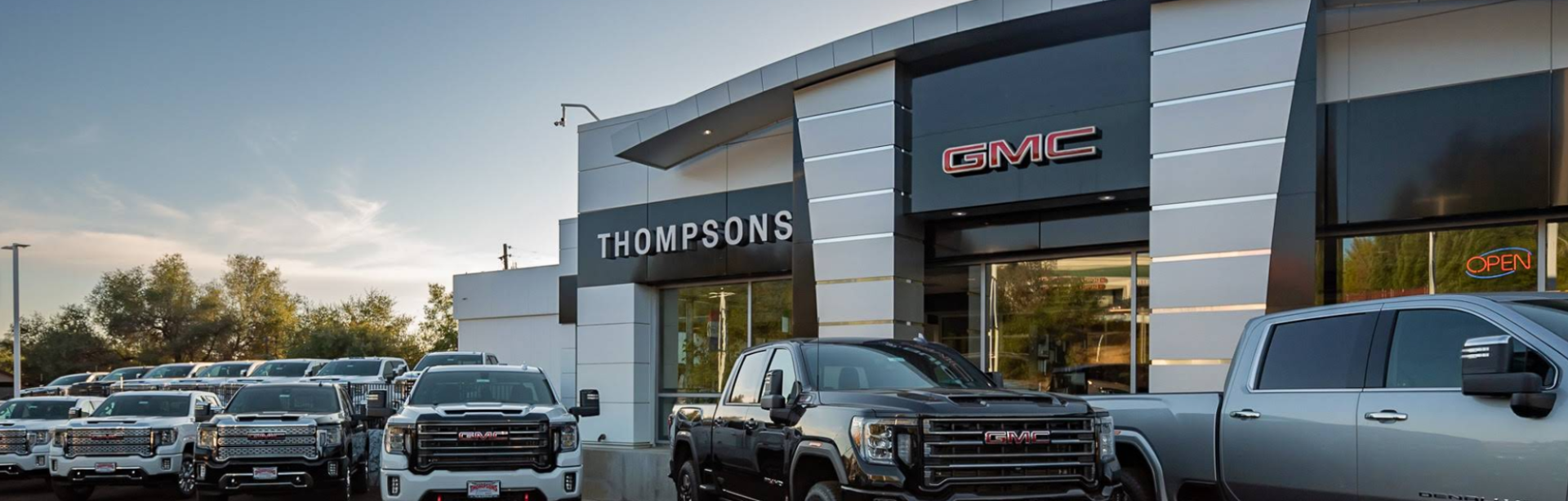
Thompsons GMC is proud to be the premier automotive authority for Placerville, El Dorado Hills, and the surrounding Gold Country, continuing a family-owned legacy that has served Northern California for over 30 years. Founded by Ron and Jeff Thompson, our dealership has earned a reputation for professional integrity and technical mastery, specifically within the heavy-duty truck and luxury SUV segments that define the Professional Grade lifestyle. Our expertise is validated by our role as a major economic pillar in El Dorado County, where our long-standing commitment to the community has been officially recognized by the City of Placerville for our significant local contributions. We maintain a staff of GM-certified technicians and specialized experts who leverage decades of collective industry knowledge to ensure every vehicle we service or sell meets the highest standards of safety and performance. Whether you are looking for the refined capability of a Denali or require expert maintenance for your commercial fleet, we provide the transparent, expert-led guidance you expect from a local leader dedicated to your long-term satisfaction.
Related Articles:
The Ultimate Guide to Finding the Best GMC Dealer in Placerville, CA

0 comment(s) so far on How Your GMC’s Trade-In Value is Affected by Mileage